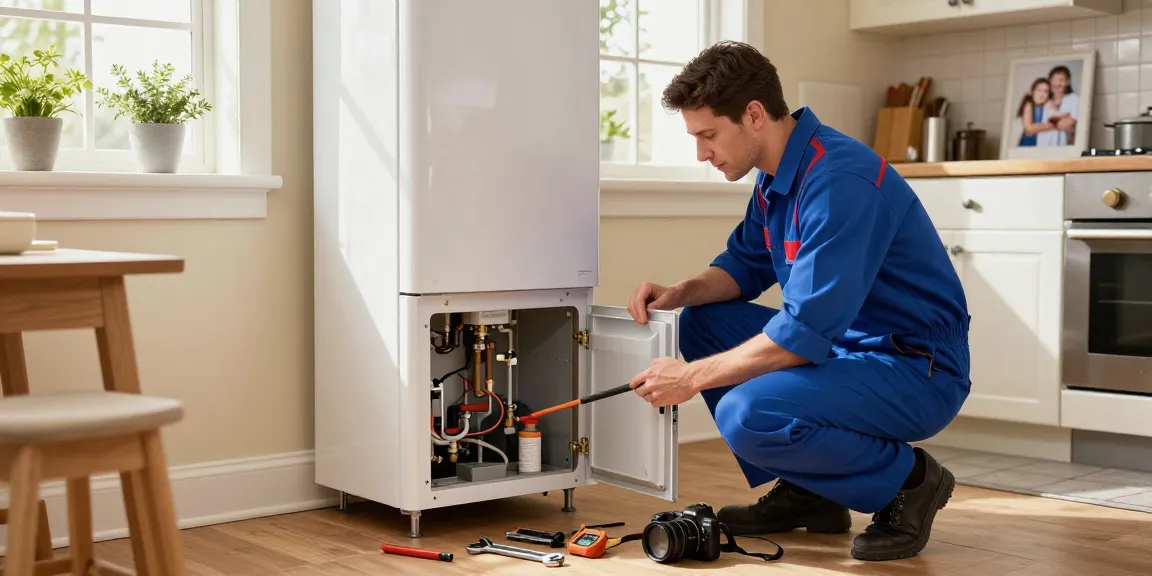
Understanding Boiler Systems: Types and Functionality
Boilers play an essential role in providing heating solutions to homes and businesses. They transform water into steam or heated water, which is then distributed throughout a building to ensure warmth and comfort. In Northampton, where cold winters are common, understanding the different types of boilers and their functionalities is vital in making informed decisions regarding boiler repair in Northampton and maintenance.
What are the Common Types of Boilers?
There are several types of boilers available today, each designed for specific applications and needs. The most common types include:
- Combi Boilers: These compact units provide both hot water and heating directly from the boiler. They are ideal for smaller homes with limited space.
- System Boilers: System boilers store hot water in a cylinder and are suitable for larger households with multiple bathrooms.
- Regular Boilers: Also known as conventional or traditional boilers, these systems require a water tank and a hot water cylinder. They are best used in homes with higher heating demands.
- Biomass Boilers: These eco-friendly options use organic materials as fuel, making them an environmentally sustainable choice.
How Does a Boiler Operate for Efficient Heating?
The efficiency of a boiler depends on its design and the technology used. The core operation involves:
- Water enters the boiler through a cold water inlet.
- The boiler heats the water using either gas, oil, or electricity.
- The heated water is then circulated through pipes to radiators or underfloor heating systems, providing warmth.
- Hot water systems often include a thermostat to regulate temperature and maintain comfort.
Identifying Components of a Boiler System
Understanding the various components of a boiler system can help in diagnosing issues and planning for maintenance. Key components include:
- Heat Exchanger: Where the transfer of heat occurs.
- Burner: The part that ignites the fuel to produce heat.
- Thermostat: Monitors temperature and controls operation.
- Expansion Tank: Manages pressure changes within the system.
Signs Your Boiler Needs Repair or Replacement
Recognizing when your boiler needs attention is crucial for maintaining a safe and efficient heating system. Here are some common signs to watch for:
Recognizing Common Boiler Issues in Northampton
Homeowners in Northampton may encounter various boiler issues as the appliance ages. Symptoms like strange noises, fluctuating temperatures, or an unusual increase in heating bills could indicate that repairs are necessary. Additionally, if your boiler starts leaking, it’s imperative to address it immediately to avoid further damage.
How to Perform Basic Boiler Troubleshooting
Before calling in a professional, you can conduct some basic troubleshooting to identify the issue. Check if:
- The boiler is turned on and the thermostat is set correctly.
- There are any visible leaks or unusual noises coming from the unit.
- The pressure gauge is within the normal range.
When to Call a Professional for Boiler Repair
If basic troubleshooting doesn’t resolve the issue, it’s time to call a professional. Signs that warrant a professional inspection include:
- Persistent error codes on digital displays.
- Inability to maintain a consistent temperature.
- Any signs of water damage around the boiler.
Essential Maintenance Tips to Prevent Breakdowns
Regular maintenance is key to ensuring the longevity and efficiency of your boiler. Here are essential tips for homeowners:
Regular Inspection Routines for Homeowners
Most experts suggest having your boiler serviced annually. This thorough inspection includes checking for leaks, verifying the efficiency of the burner, and cleaning key components.
Key Maintenance Practices for Boiler Longevity
To prolong the life of your boiler, consider the following practices:
- Keep the area around the boiler clear from obstructions.
- Bleed radiators regularly to remove trapped air.
- Ensure adequate ventilation for proper combustion.
Tools and Resources for DIY Boiler Care
While many boiler maintenance tasks should be left to professionals, homeowners can perform some basic care using tools like:
- A pressure gauge to monitor system pressure.
- A bleed key to remove air from radiators.
- Cleaning supplies to maintain the external surface.
Choosing the Right Boiler Repair Service in Northampton
Selecting a reliable boiler repair service is crucial for ensuring that your heating system operates efficiently. Here are steps to help you choose wisely:
What to Look for in a Boiler Technician?
When looking for boiler repair professionals, ensure they have the following:
- Proper certifications and licenses.
- Experience with various boiler types.
- Positive reviews and testimonials from previous customers.
Comparing Local Boiler Repair Services
Take the time to compare quotes from different services. Look beyond price and consider their reputation for quality work and customer service.
Questions to Ask Before Hiring a Boiler Repair Expert
Before making a hiring decision, ask potential contractors:
- What warranties do you offer on repairs?
- Can you provide references from previous clients?
- What is your estimated timeline for repairs?
Future Trends in Boiler Technology and Efficiency
The heating industry is evolving rapidly, with advancements geared towards energy efficiency and sustainability. Here’s what to expect in the coming years:
Innovations in Boiler Systems for 2026
In 2026, we anticipate seeing more smart boilers that can be controlled via smartphone apps, integrating seamlessly with home automation systems for optimal efficiency.
Understanding Energy Efficiency Ratings
Manufacturers are required to display energy ratings on new boilers, helping consumers make informed choices. Understanding these ratings can significantly impact your energy bills and environmental footprint.
Adapting to Environmental Regulations in Heating
As regulations tighten around energy consumption and emissions, future boiler models will likely have to meet more stringent environmental standards. Homeowners should stay informed about these changes to ensure compliance.
What are the typical costs of boiler repair?
Boiler repair costs can vary based on the type of repair needed. On average, homeowners should expect to pay between £150 and £500 for repairs, depending on the complexity of the issue.
How can I improve my boiler's efficiency?
Improving your boiler's efficiency can often be achieved by ensuring regular maintenance, optimizing thermostat settings, and considering upgrades to more energy-efficient models.
What are the common myths about boiler maintenance?
Many homeowners believe that boiler maintenance is unnecessary if the unit is functioning well. This is a myth; regular servicing can prevent future breakdowns and extend the system's lifespan.
How often should I service my boiler?
It is recommended to service your boiler at least once a year to ensure safe and efficient operation.