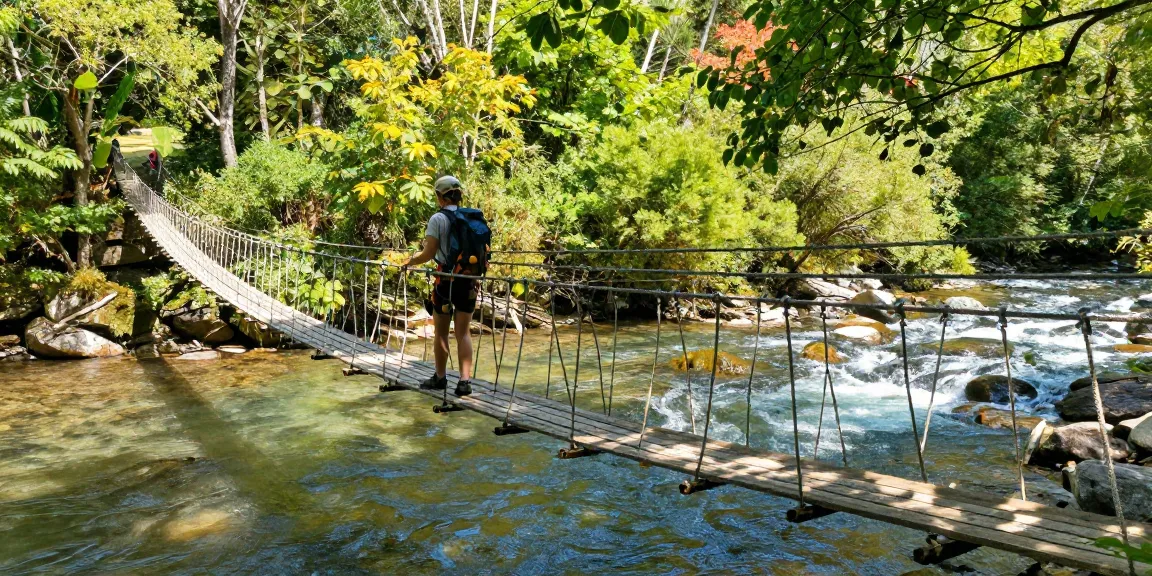
Understanding River Rope Bridges
River rope bridges have become an iconic element in adventure and outdoor activities, providing both functionality and aesthetic appeal. These structures not only facilitate crossings over water bodies but also offer captivating views of the surrounding landscapes. As outdoor enthusiasts seek to explore remote trails and natural wonders, the demand for innovative and safe river rope bridges is on the rise. When exploring options, River Rope Bridge solutions are ideal for a range of applications, from hiking to eco-tourism.
What is a River Rope Bridge?
A river rope bridge is a type of suspension bridge designed to allow pedestrians and sometimes vehicles to cross over a river using ropes and cables as the primary support structure. These bridges can vary in length, design, and materials used, typically comprising sturdy wooden planks held together with thick ropes. They are particularly popular in areas where traditional bridge construction may be difficult due to geographical constraints or the environmental impact of building on sensitive habitats.
Historical Significance of Rope Bridges
Rope bridges have a rich history, dating back several centuries. Cultures around the world have utilised these bridges for practical purposes, such as facilitating trade and travel across rivers. For instance, the famous Incan rope bridges in Peru, made from grass, showcase traditional engineering skills that have been passed down through generations. These bridges not only served as vital transportation links but also as cultural symbols, reflecting the ingenuity and resilience of the communities that built them.
Types of River Rope Bridges
There are several types of river rope bridges, each engineered to meet specific requirements and conditions:
- Suspension Bridges: These are the most common form of rope bridges, supported by cables and allowing for flexible movement.
- Footbridges: Designed primarily for pedestrians, these bridges are usually narrower and easier to install.
- Multi-functional Bridges: Designed for both pedestrian and light vehicular traffic, combining durability with accessibility.
- Modular Bridges: Prefabricated sections that can be assembled on-site, offering ease of installation and customizability.
Choosing the Perfect River Rope Bridge for Your Needs
Key Factors to Consider
When selecting a river rope bridge, several factors should be taken into account:
- Site Conditions: Examine the topography and river conditions, including width, depth, and flow rate.
- Material Selection: Choose materials that withstand environmental elements and ensure longevity.
- Design and Aesthetics: Consider how the bridge will blend with the natural landscape and meet user needs.
Safety Standards and Regulations
Ensuring the safety of a river rope bridge is paramount. Compliance with local regulations and industry standards is crucial. This includes weight limits, structural integrity, and safety features such as guardrails and non-slip surfaces. Regular inspections and maintenance also play an essential role in keeping these structures safe for users.
Cost Considerations and Budgeting
Cost is often a key factor in selecting a river rope bridge. Expenses can vary widely based on materials, size, design complexity, and installation requirements. It's essential to budget for not just the initial construction but also long-term maintenance costs, which can include regular inspections and repairs.
Installation and Maintenance of Your River Rope Bridge
Step-by-Step Installation Guide
The installation of a river rope bridge can be straightforward if approached methodically. Here is a basic guide:
- Site Assessment: Evaluate the location for accessibility and safety.
- Design Approval: Finalise the design and ensure it meets all safety regulations.
- Gather Materials: Procure all necessary materials and tools for construction.
- Construct Supports: Build or set up the anchor points for the ropes.
- Install Decking: Attach the wooden planks to form the bridge walkway.
- Safety Checks: Inspect the completed bridge for stability and safety before use.
Routine Maintenance Practices
Maintaining a river rope bridge is critical to its longevity. Routine checks should include:
- Inspecting the ropes and cables for wear and tear.
- Checking wooden planks for rot or damage.
- Ensuring anchor points remain secure and stable.
Common Issues and Solutions
Some common issues that may arise include:
- Rope Fraying: Replace frayed sections immediately to prevent failure.
- Wood Rot: Treat wood with preservatives and replace any damaged planks.
- Pest Damage: Regularly inspect for signs of insect infestations and treat as necessary.
Real-Life Applications of River Rope Bridges
Use in Outdoor Adventures and Tourism
River rope bridges often serve as captivating additions to outdoor activities, enhancing experiences for hikers, nature enthusiasts, and tourists. They enable access to scenic viewpoints and secluded areas, making them popular in eco-tourism developments.
Case Studies of Successful Installations
Several successful installations of river rope bridges illustrate their practical benefits. For example, a bridge built in a national park allowed hikers to cross a deep river gorge, significantly reducing travel times and enhancing visitor safety. Such projects highlight the blend of aesthetic appeal and functional utility.
Innovative Designs from Around the World
Innovative river rope bridge designs continue to emerge globally. From the visually striking swinging bridges of Bhutan to the modern, minimalist designs found in Scandinavian countries, these constructions reflect both cultural significance and engineering prowess.
Future Trends in River Rope Bridge Design
Emerging Materials and Technologies
The future of river rope bridges may see the introduction of advanced materials like carbon fibre and synthetic ropes that provide greater strength and durability while reducing environmental impact. Additionally, modular designs that facilitate easier assembly could revolutionise construction methods.
Environmental Considerations and Sustainability
As environmental awareness grows, sustainable practices will become increasingly important in the design and construction of river rope bridges. This could include using recycled materials and ensuring that the installation process minimally impacts the surrounding ecology.
What to Expect in 2026 and Beyond
Looking ahead, we can expect river rope bridge designs to incorporate smart technologies, such as real-time monitoring systems that assess structural integrity and alert maintenance personnel to issues. This shift towards technologically advanced solutions will enhance safety and usability.
What are those rope bridges called?
Rope bridges are often referred to as suspension bridges or simply rope bridges, and their design can range from basic footbridges to complex structures supporting both pedestrians and light vehicles.
How much does a river rope bridge cost?
The cost of a river rope bridge can vary significantly based on its size, materials used, and location, with prices ranging from a few thousand pounds for smaller installations to over £50,000 for larger, more complex designs.
Where can I build a river rope bridge?
Rope bridges can be constructed in various locations, particularly in rural or natural settings where traditional construction methods may not be feasible due to environmental considerations or geographical challenges.
How to maintain a river rope bridge?
Maintenance of a river rope bridge involves regular inspections, ensuring that all components, including ropes and wooden planks, are in good condition, and addressing any deterioration promptly to ensure safety.
What safety features should a river rope bridge have?
Essential safety features for a river rope bridge include sturdy guardrails, non-slip surfaces, and clear signage indicating weight limits and guidance for crossing, which collectively enhance user safety.